Meet Elaine, a 55-year-old woman. She is active and walks daily for exercise. She maintains a healthy diet that includes fruits and vegetables and limits processed and sugary foods. Despite her healthy lifestyle, Elaine has gained weight, so much so that her clothes are too tight, especially around her waist. She feels down about herself and is not sure what to do.
And now meet Jerry, a 49-year-old self-proclaimed gym rat. Or at least he was until he reached the age of 45. At that point, he had less energy and noticed his muscle tone had decreased despite working out regularly. Due to the muscle loss, fatigue, and increased frustration at the gym, he has gained weight. He wants to get back into the gym, but doesn’t know if it is possible at his age.
Elaine and Jerry are not alone, as many women and men experience weight gain as they age. There are many possible causes. However, as sex hormones decrease in women during perimenopause and men experience andropause, weight gain is a common symptom.
Do you know an Elaine? Are you a Jerry? Keep reading for more information about the relationship between age and weight gain.
Measuring Up
Sometimes, there are simple solutions to weight gain, such as diet changes or increased amounts of exercise. However, even with these adjustments, some people continue to gain weight or have difficulty losing weight. As men and women age, there are physical changes to the body, but also hormonal changes. These changes in hormone levels can wreak havoc on the body. Think hot flashes or acne, and now add weight gain.
In women, estrogen aids in maintaining weight, regulating metabolism, and distributing fat. As hormone levels decrease, so does the body’s ability to control fat weight gain. There is an inverse correlation between estradiol, a type of estrogen, and weight. Mainly, weight increases as estradiol decreases.
Testosterone in men helps with the development of muscle and strength. As a man enters andropause and testosterone levels decrease, so too does muscle mass. Men may have difficulty maintaining and developing muscles, even with regular exercise. Decreased testosterone levels are also associated with decreased metabolism, which can lead to increased fat weight.
Let’s look back at Elaine. She is 55 years old and postmenopausal and has some symptoms associated with menopause, but nothing detrimental to her quality of life. She and her doctor determined that her symptoms did not necessitate hormone replacement therapy (HRT).
Could Elaine’s weight gain be a result of decreased estrogen production?
The Weighty Truth
Yes, Elaine may be experiencing weight gain due to menopause and decreased levels of estrogen hormones.
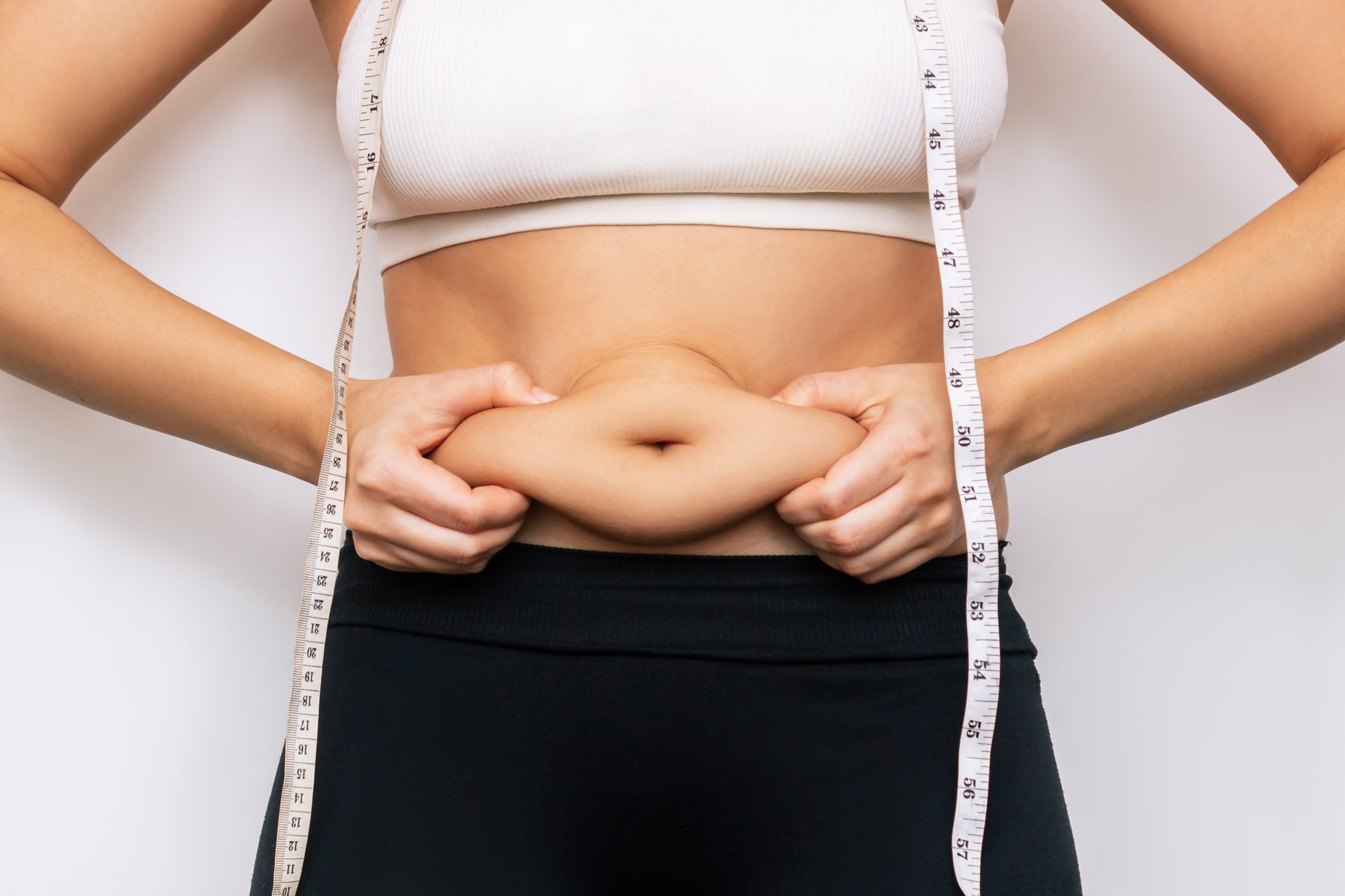
The average woman gains about 1.5 pounds every year after menopause. The decline in the production of estrogen, progesterone, thyroid, and other hormones is associated with postmenopausal weight gain. Women can experience weight gain and body fat redistribution, especially around the belly, which is called visceral fat. This phenomenon is such a common symptom it even has a nickname, “menopause belly.”
The same deductions could also relate to Jerry, the avid gym user who has seen a decrease in stamina and increased weight. The average onset of andropause, or low testosterone, is when a man is in his 40s. When testosterone levels decrease, men can lose muscle mass and experience fatigue and weakness. Men also experience fat distribution changes due to decreases in hormone production.
It is important to note that while weight gain can cause emotional distress, it can also lead to other health problems such as cardiovascular disease, diabetes, and cancer. As uncomfortable as it is, it is important to discuss any significant weight gain with your health care professional and your risks for these and other diseases.
Pulling Your Weight (Down)
If weight gain is plaguing you, there are ways of combating it. Of course, there are the favorites like eating healthy, increasing exercise, decreasing stress, yada yada yada.
But did you know that hormone replacement therapy (HRT) can help with weight management and muscle production? With the bonus of protecting the bones from osteoporosis? The replacement of estrogen and testosterone can help the body naturally regulate weight, the production of muscle mass, and increase the production of bone. Which in turn can help prevent diseases caused by weight gain.
Ask your medical professional about HRT and if necessary, advocate for yourself. If you feel dismissed by your practitioner, get a second opinion.
Your health and well-being are important, as is your quality of life and longevity.
Get started with a free self-assessment.
Written by Anna Hartman, AKH Editing and Writing