
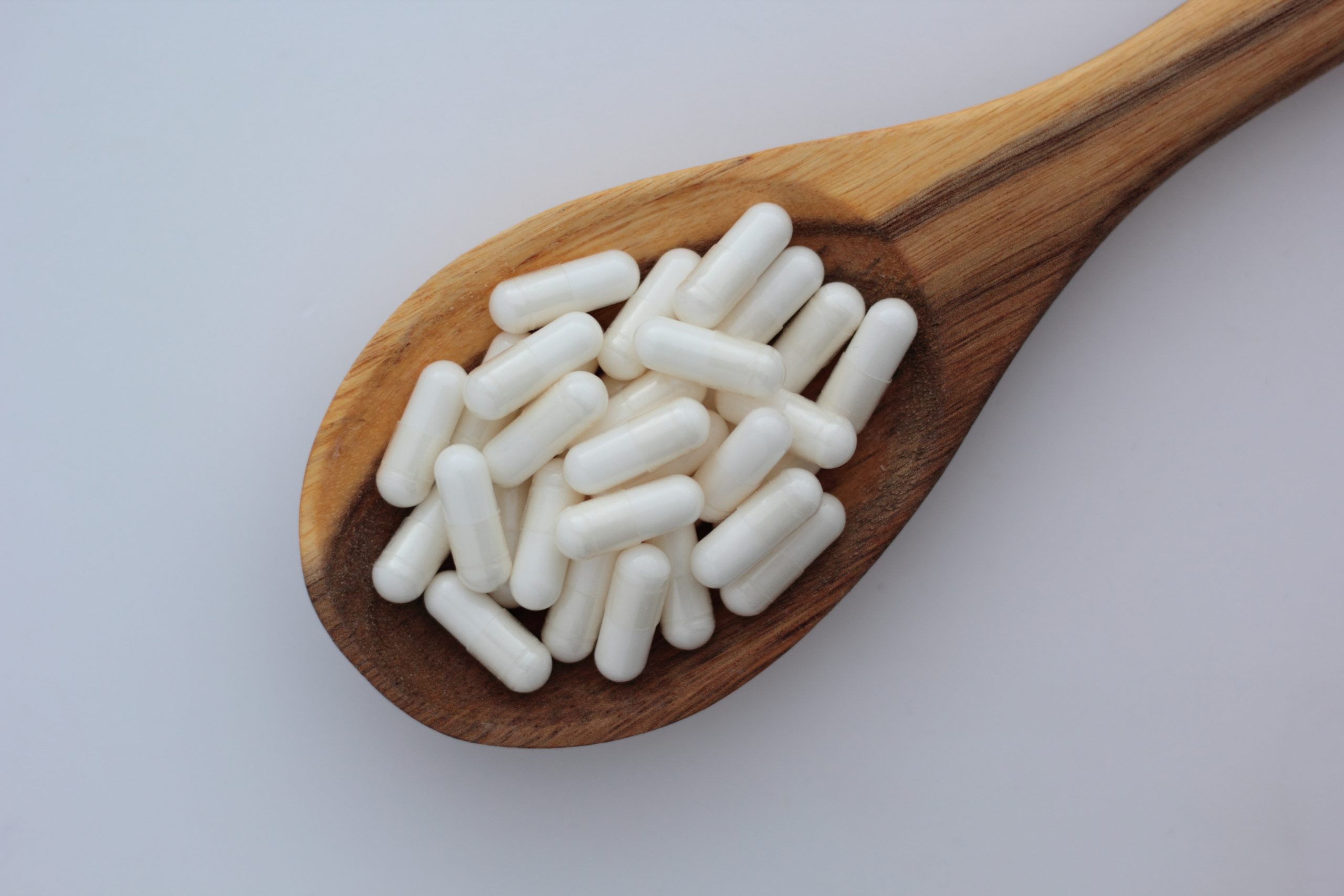
Progesterone, pronounced proe jes’ ter one, is an endogenous steroid hormone produced by the adrenal cortex and gonads (testes and ovaries), and it is essential for human reproduction. While men and women naturally make it, men produce less than women.
But what does progesterone actually do? Keep reading to learn about progesterone.
Progesterone, Human Reproduction, and You
Progesterone helps in the production of sperm and other male sex hormones in men. In women, it plays a larger role as it impacts both the menstrual cycle and pregnancy.
Progesterone levels fluctuate during the menstrual cycle. As a woman nears her period, progesterone production increases. The hormone helps the uterus prepare for a fertilized egg by thickening the uterine lining, or endometrium. If pregnancy does not occur, progesterone levels decline, which causes period bleeding.
If pregnancy does occur, progesterone levels continue to rise to stop ovulation and ward off early labor. Progesterone also prepares the mammary glands for the production of milk, which ultimately allows for the ability to nurse a baby.
If progesterone levels are low, a woman may suffer from any or all of the following signs and symptoms:
- Irregular periods
- Fertility issues
- Mood changes
- Anxiety and/or depression
- Trouble sleeping
- Hot flashes
If you are experiencing any of these symptoms, discuss them with your medical provider. There are many possible causes and treatments. While these manifestations can be experienced at any age, low progesterone levels are seen during perimenopause and after menopause. Symptom reduction is available as hormone replacement therapy (HRT) can help.
Why Progesterone Replacement Therapy?
It may seem counterintuitive to replace progesterone during perimenopause and menopause. For many women, it is necessary to pair estrogen and progesterone together during HRT, and here is why.
Estrogen is prescribed to alleviate symptoms of perimenopause and menopause. However, one of the side effects of estrogen is the thickening of the uterus walls, which can increase the risk of uterine cancer. Women with an intact uterus are often given progesterone to counteract the effects of estrogen.
In addition, HRT, which includes progesterone, can treat other symptoms of menopause, including hot flashes, memory loss, fatigue, and tender breasts. It is also used to treat thyroid problems, osteoporosis, and weight gain. Talk to your medical practitioner to discuss how HRT can help you.
It is important to remember that HRT can ease the signs and symptoms of menopause that negatively impact your life. Your quality of life is important, and you do not have to suffer unnecessarily.
Want to learn more about progesterone and hormone replacement therapy? Start a free self-assessment with Perfect Balance Health.
Written by Anna Hartman, AKH Editing and Writing