
My doctor gave me a prescription for a new medication and said that I had to get it from a compounding pharmacy.
Now what do I do? Aren’t these gone and only seen in Western movies?
For years, medication came from compounding pharmacies, which offered custom-made medications. With the implementation of the United States Food and Drug Administration (FDA) and domination of big pharmaceutical companies, compounding pharmacies became less common, but still existed.
Due to the desire and need for specialized treatments and dosages, pharmacies that specialize in compounding are making a comeback. There are an estimated 7,500 compounders in the United States and an additional 32,000 pharmacies that offer some level of compounding services.
What Are Compounding Pharmacies?
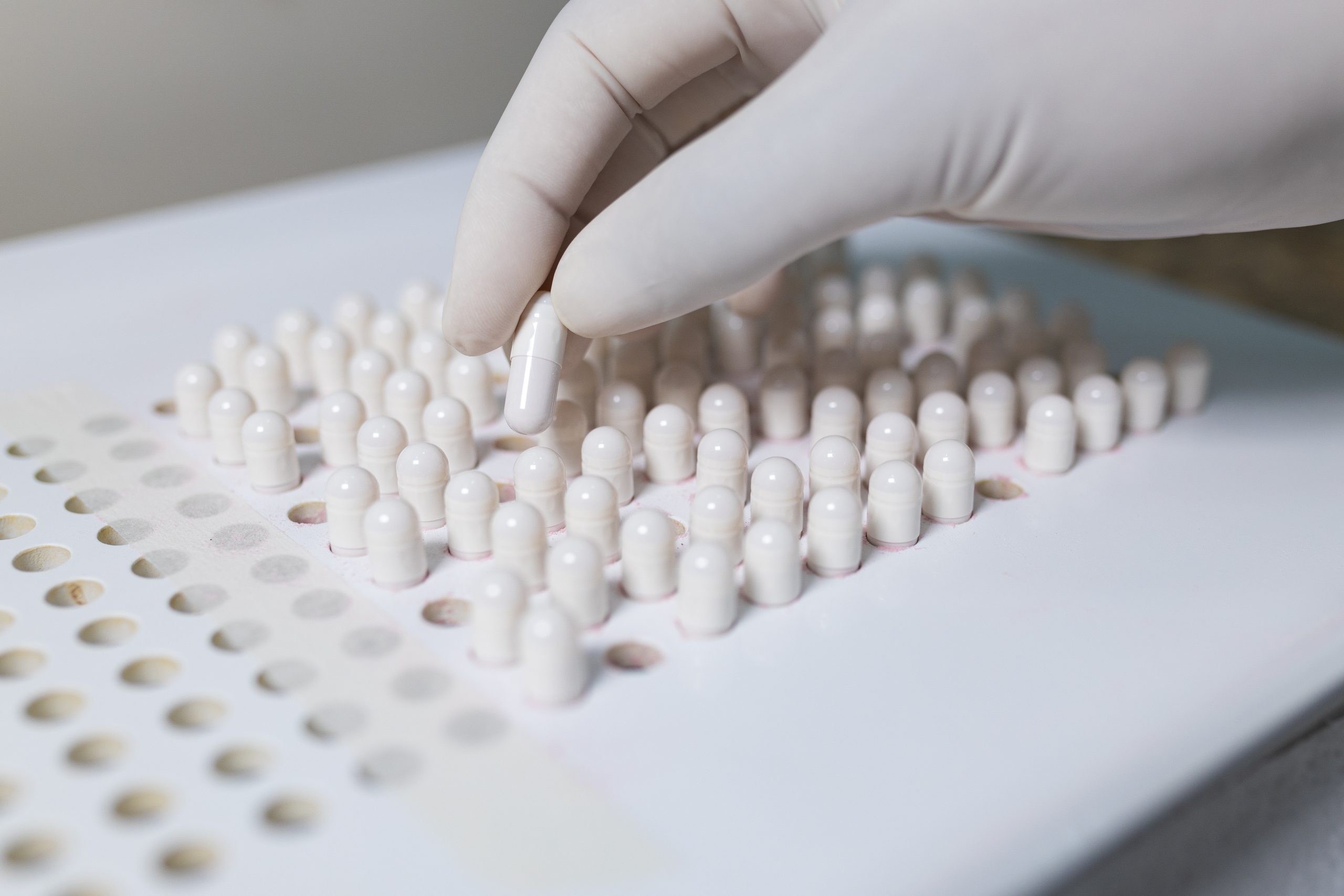
At a compounding pharmacy, a pharmacist creates a specialized blend based on a medical provider’s prescription to meet your specific needs. These mixtures come in the form of pills, gels, creams, or injections, which can meet each individual’s needs.
Compounders must use pharmaceutical-grade ingredients produced at facilities registered with the FDA, which has oversight of the ingredients that go into the mixtures. However, the final medications do not require approval. In addition, there are two types of compounding pharmacies.
503A are traditional compounding pharmacies and can create medication based on your prescription. Only a licensed pharmacist or physician may compound. 503As are regulated by state regulatory boards that set the requirements for the equipment and labs
503B are outsourcing compounding facilities that create large amounts of drugs, similar to large pharmaceutical companies. The FDA regulates these sites and requires stricter rules than the 503As. At 503Bs the compounding work is completed by trained technicians that a pharmacist supervises.
Why Use a Compounding Pharmacy?
Not all over-the-counter or by prescription medications work for everyone. If your medical condition cannot be treated with existing medications, your medical provider may recommend a compounding pharmacy. The most common treatments are:
- Pain management for individuals who require nontraditional treatments.
- Hormone replacement therapy for individuals who need a nonstandard dosage, a specialized combination of hormones, or different application methods.
- Skin-related conditions that require a combination of drugs as treatment
- Medication for pets that need a specific dosage or forms that they are willing to swallow.
There are a variety of reasons that a medical provider will prescribe a compounded medication. These include:
- The need for a customizable dosage.
- The desire to add flavor for a child or pet.
- Change the form of the medication, such as from pill to liquid.
- Remove dyes and other allergens and nonessential ingredients.
- During a medication shortage, your medical provider may recommend a compounded treatment.
How Do I Find a Compounding Pharmacy?
If your medical provider did not recommend a local compounder, you can check out these websites: the Alliance for Pharmacy Compounding search tool and the Pharmacy Compounding Accreditation Board search tool. It is important to note that these are resources to aid in your search. Perfect Balance Health does not endorse any compounding pharmacies.
When you find a compounding pharmacy, check with your insurance company to confirm that the services are covered. Many people find that they have to pay out of pocket for compounded medications.
Are you looking to improve your health? Start a free self-assessment with Perfect Balance Health.
By Anna Hartman, AKH Editing and Writing