
My husband is 45 years old and has gained 10 pounds in the last year. He is moody, which he never was before, and he is growing a bald spot (shhh, don’t we don’t talk about it.) Could he be going through menopause?
Yes and no.
Yes, hormone levels decrease in both men and women as they age. These declines can cause a myriad of symptoms. Women go through perimenopause, which leads to menopause. Men experience a similar process called andropause.
So, no, men do not go through perimenopause. They experience andropause, which is also known as Low T, and male hypogonadism. And like menopause, we are not talking about it and normalizing this natural experience.
So let’s talk about it!
What is Andropause?
Andropause is a time in a man’s life when testosterone levels are gradually declining. Usually beginning in his mid-40s, it will continue throughout his entire life.
During this period, testosterone levels decrease by 1% each year. This gradual decline can cause weight gain, muscle loss, erectile dysfunction, and other unwanted symptoms.
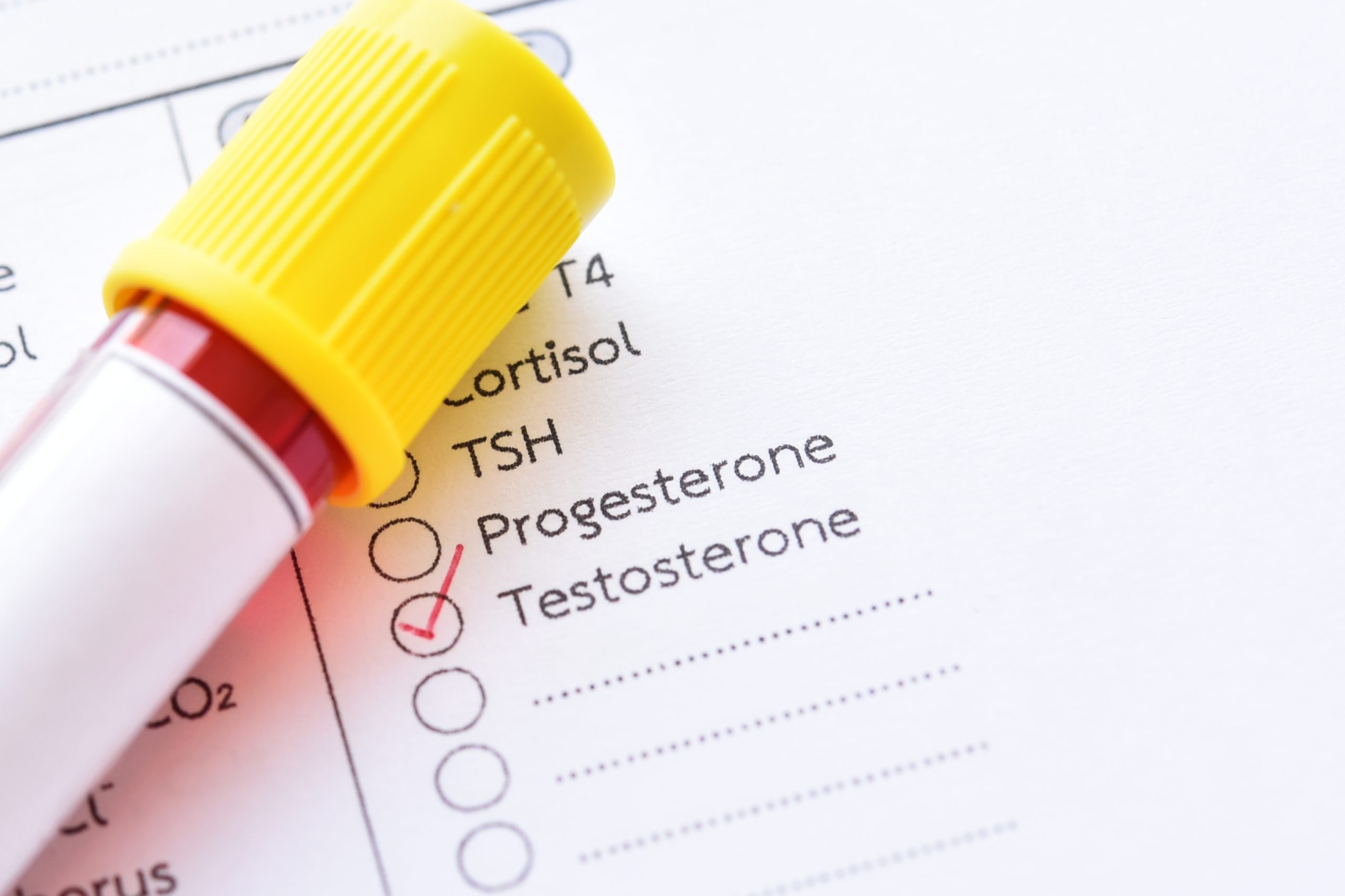
A blood test is the most accurate way to determine testosterone levels. While many men may remain in the “normal” range, signs and symptoms of Low T can be a reason to treat with testosterone replacement therapy.
The Truth About Testosterone
The short story is that testosterone is a male sex hormone produced in the sex organs or gonads, i.e., testicles. It has many jobs, including maintaining bone density and distributing fat. Because of testosterone, men grow facial and body hair. It also plays a role in sexual libido, sperm production, muscle mass, and mood. Testosterone sustains red blood cell levels and an overall sense of well-being. When levels are low, any one of these can be negatively affected.
Fun fact, both men and women produce testosterone, but women have 1/10 the amount.
Wondering what happens when men experience Low T? Keep reading!
Signs and Symptoms of Andropause
Often, the first signs of andropause are weight gain and moodiness. Below is a list of symptoms experienced by men with low testosterone levels:
- Reduced libido or sex drive.
- Erectile dysfunction.
- Low or zero sperm count.
- Loss of body hair.
- Sleep problems, including insomnia.
- Decreased muscle mass and strength.
- Decreased stamina.
- Increased body fat.
- Hot flashes and night sweats.
- Depressed mood.
- Difficulties with concentration and memory.
- Enlarged male breast tissue (gynecomastia).
It is common for men to not realize that these signs and symptoms are a result of low testosterone levels. Instead, they blame getting older. Many men visit a doctor at the insistence of a loved one due to a decline in physical fitness or increased depression. Only after a blood test can low testosterone levels be diagnosed.
I Think It’s Andropause, Now What?
If you suspect that your symptoms are due to andropause, the first step is to visit your primary doctor. They will ask questions about your medical history, current health, and symptoms. If it has been a while, your doctor will perform a full physical, including blood tests.
The blood tests will determine your overall health, including testosterone levels. In addition, your doctor will test the functionality of your thyroid, a gland in the endocrine system that produces hormones that have many purposes in the body, including the speed of metabolism or metabolic rate.
The goal is to rule out diseases or other conditions causing your symptoms. If your testosterone or thyroid levels are low, your doctor may recommend hormone replacement therapy or HRT.
Yes, the same HRT that women talk about, but tailored to your needs.
If your doctor says your blood levels are “normal” but you continue to have symptoms, consider getting a second opinion. This could be a visit with an endocrinologist or a hormone replacement specialist. It is important to find a specialist who will look beyond the tests. Instead, find someone who will see your symptoms and emphasize your quality of life. You do not need to suffer from the symptoms. You can lead a full and healthy life.
The important thing to remember is you are not alone; you just need to find the right support.
Are you concerned about your testosterone levels? Are you looking for support? Start a free self-assessment with Perfect Balance Health.
Written by Anna Hartman, AKH Editing and Writing